Security & Surveillance
Enterprise Security Solutions
End-to-end enterprise protection
RFID Security Solution
Smart card access & tracking
Face Recognition Attendance
AI-powered contactless check-in
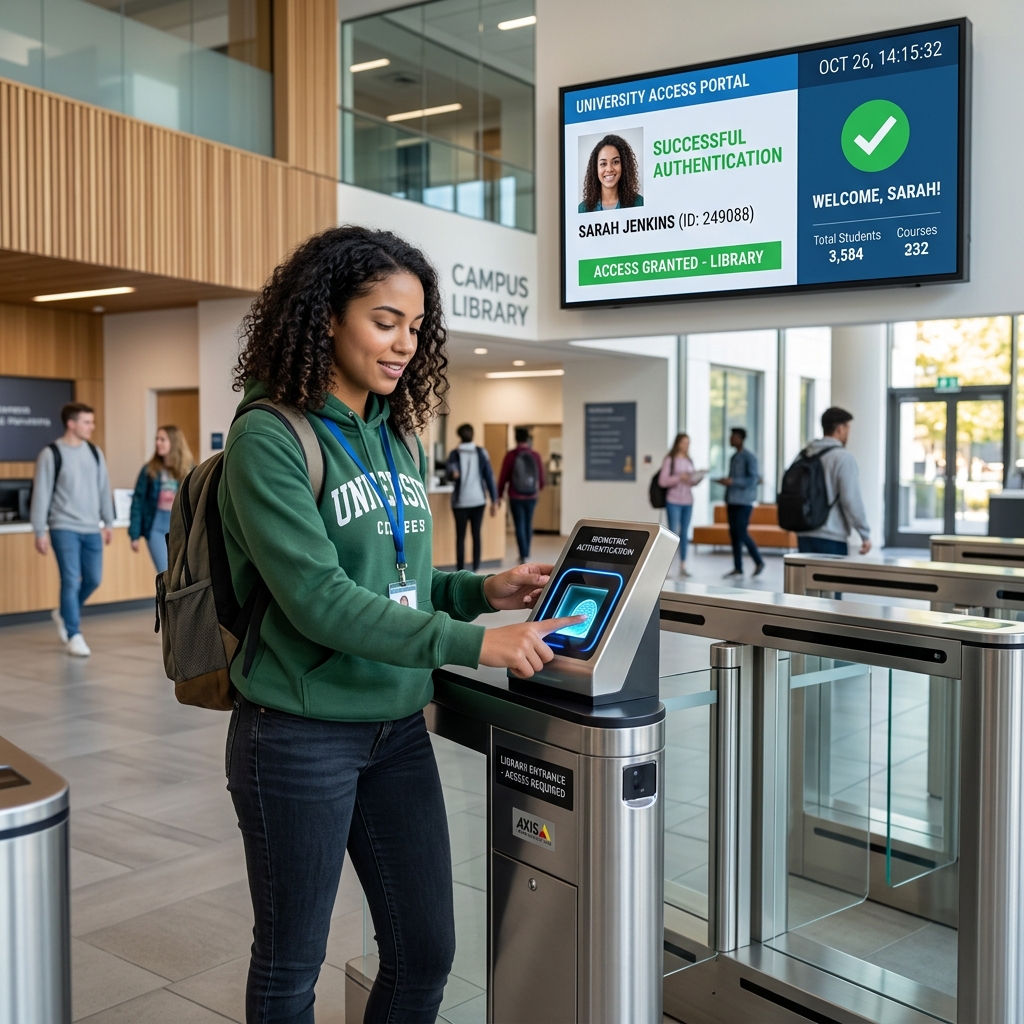
Access Control System
Multi-factor door & gate control
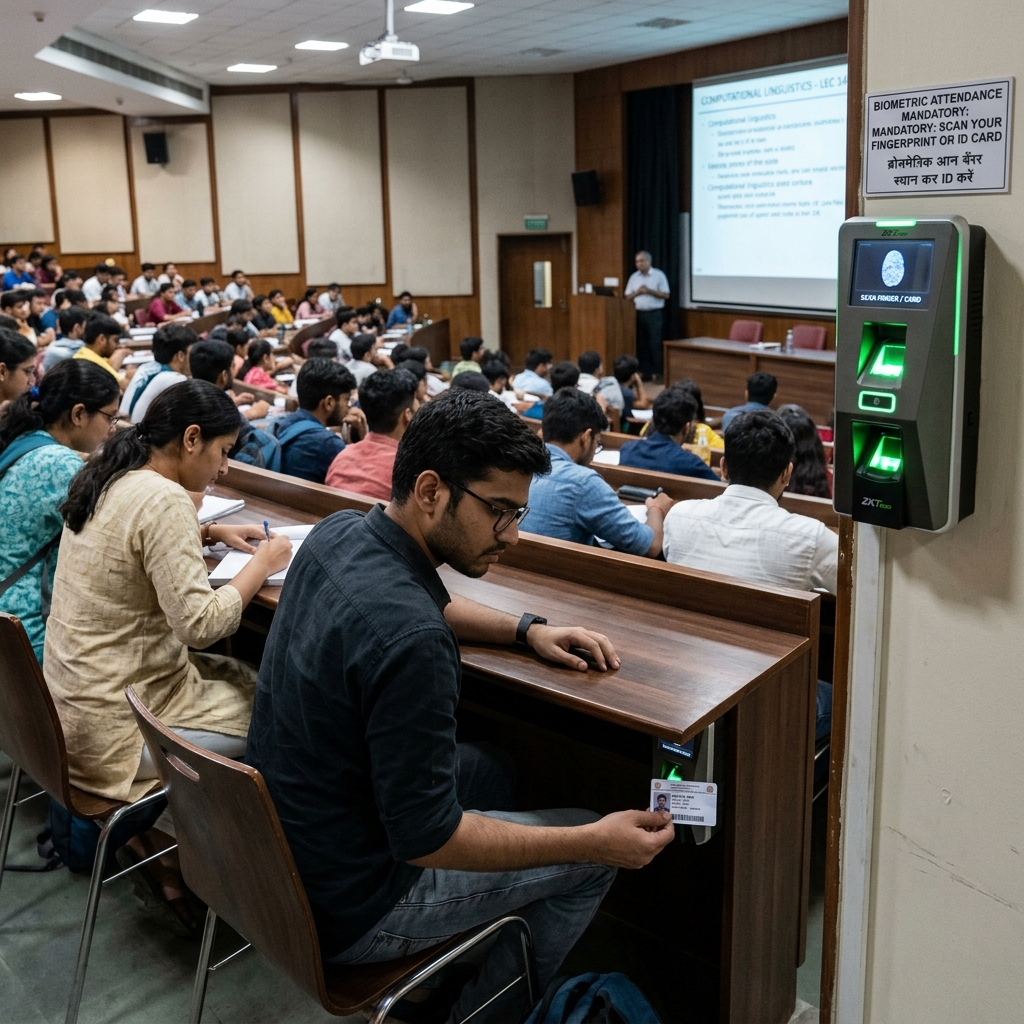
Biometrics Attendance
Fingerprint & iris time tracking
Citizen & Smart City
Citizen Identification
National ID & enrollment
Biometric Technologies
Multi-modal biometric platform
Smart City Solution
Integrated urban intelligence
Airport Solution
Passenger flow & security
Software
Pravesh Lite
Attendance & Access
Monuk
Visitor Management
Mensa
Canteen Management
Security & Surveillance
Enterprise Security & Surveillance
Defence Security & Surveillance
Port & Marine Security & Surveillance
Enterprise Platform
Megh PI
Workforce management - attendance, visitor & canteen in one cloud platform.
Explore Products
Unified Access Control
MACS
7-module access control system - IOG, ACS, VMS, canteen, T&A & more.
Explore Products
Biometric Devices
Aadhaar Biometric Attendance
UIDAI certified attendance systems
Biometric Enrollment Devices
High-speed multimodal enrollment
POS MicroATM Terminal
Financial-grade biometric POS
Integrated Biometric Devices
All-in-one capture & verify
Sensors & Hardware
Fingerprint Sensors
OEM & standalone modules
IRIS Sensor
High-accuracy iris recognition
Face Recognition Device
3D liveness + face match
Biometric Tablet
Portable enrollment station
Access & Aadhaar
Access Control
Door, gate & turnstile systems
Aadhaar Products
Government-grade UIDAI solutions
Product Solutions
Multi MABIS
Multi application biometric integration
Bio Logon
Biometric PC authentication
M-Authentication
Mobile biometric verification
OEM Modules
Fingerprint Sensor Modules
IRIS Sensor Modules
Best Seller
MXFace SDK
Enterprise face recognition SDK - 99.8% accuracy across 50M+ faces.
Download SDK
99.8%
Match
Accuracy
Accuracy
50M+
Enrolled
Records
Records
200ms
Response
Time
Time
25+
Years
Expertise
Expertise
Core Technologies
Computer Vision
Real-time object & face detection
Behavioral Biometrics
Pattern analysis & anomaly detection
AI & Machine Learning
Deep learning biometric models
Internet of Things (IoT)
Connected device ecosystems
Encryption
Military-grade data security
Engineering
Product Engineering
Embedded Hardware Engineering
Embedded Software Engineering
Optics & Imaging Engineering
Advanced Algorithms
Quality Assurance
Research Platform
Mikshi AI Engine
Proprietary AI inference engine powering next-gen biometric deployments at scale.
Read Whitepaper
99.8%
Accuracy rate
50M+
Enrolled records
Trusted Identity &
Credentials
Credentials
Cognitive Intelligence
AI-driven biometric recognition and identity intelligence systems
Identity Sensor
High-precision fingerprint and iris biometric sensing technologies
Identity Solutions
End-to-end digital identity, authentication and verification platforms
Identity Device Systems
Secure, scalable hardware integrated identity capture and processing
Critical Infrastructure &
National Systems
National Systems
AeroTech
Integrated airport security systems ensuring safe passenger operations
Maritime Systems
Advanced maritime surveillance and port security management systems
Defence Tech
Mission-critical defense security systems for national protection
Enterprise Access &
Homeland Security
Homeland Security
Enterprise & Homeland Security
Advanced surveillance and protection for critical enterprise environments
MTRAX Identity
RFID-based tracking, identification and secure access management systems
Vision Tech
Intelligent video surveillance with real-time monitoring and analytics
Brand Ecosystem
Explore Mantra Brands
AI, biometrics, RFID, and identity technologies organized for faster discovery.
 Access Tech
RFID readers, smart tags & IoT gateways for real-time asset tracking and access control across Indian industry.
Explore brand
 Hardware
India's leading kiosk manufacturer - self-service eKYC, Aadhaar authentication and citizen services without staff.
Explore brand
 AI Engine
99.5%+ accuracy face recognition API - real-time 1:N identification, liveness check & spoof detection at scale.
Explore brand
 Vision AI
AI-powered VSaaS that turns existing camera footage into actionable business insights - live in 48 hours.
Explore brand
Partner Types
Solution Partner
Co-create and resell complete solutions
Distribution Partner
Authorized product distributors
Technology Partner
API & platform integrations
Consulting Partner
Advisory & implementation services
Join Our Network
Become a Partner
Join 200+ partners across India and SEA. Earn up to 30% margin with our tiered program.
Apply Now
Support Services
Warranty & RMA Process
Return & repair authorizations
Support Ticket
Raise & track service requests
Download Technical Resources
Drivers, manuals & firmware
Downloads
Brochures
24 / 7 Support